Our US + EU team model creates a 16-hour working day. Here's how we structure handoffs to make it work.
Most engineering firms work an 8-hour day. We work 16 — not by burning people out, but by running two teams in two time zones.
The Model — Our US team (Central Time) handles client-facing work: requirements capture, design reviews, compliance checks. At end of day, they hand off to our EU team (CET), who picks up detailed modeling, simulation, and documentation.
The Handoff — Every transition includes a structured note: what was done, what's next, and any blockers. We use a shared task board and short async video updates. No ambiguity, no lost context.
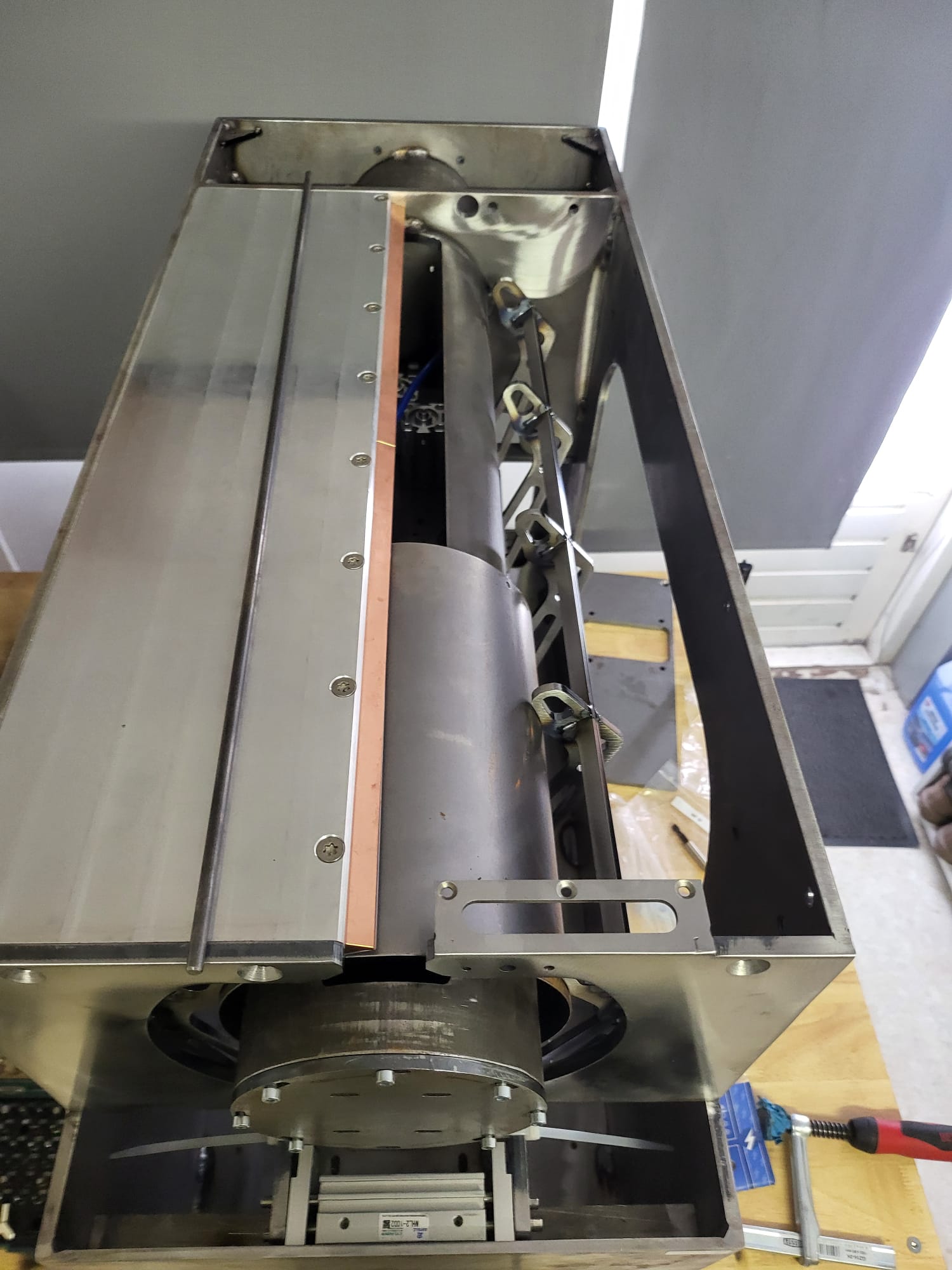
The Result — Projects that would take 3 months with a single team consistently ship in 6–8 weeks. Our tube laser welding automation project came online 3 months ahead of schedule using this model.
When It Works Best — Projects with clear phase separation: concept → detail → documentation. Highly iterative early-stage design work still benefits from real-time collaboration, so we flex the model based on the project phase.
If you're under timeline pressure, this model can be the difference between making a launch date and missing it. Let's talk about how it could work for your next project.